Caribbean Food Centennial: Top Recipes for a 100-Year Celebration
@rafaelvboh127
November 19, 2026 · 15 min read
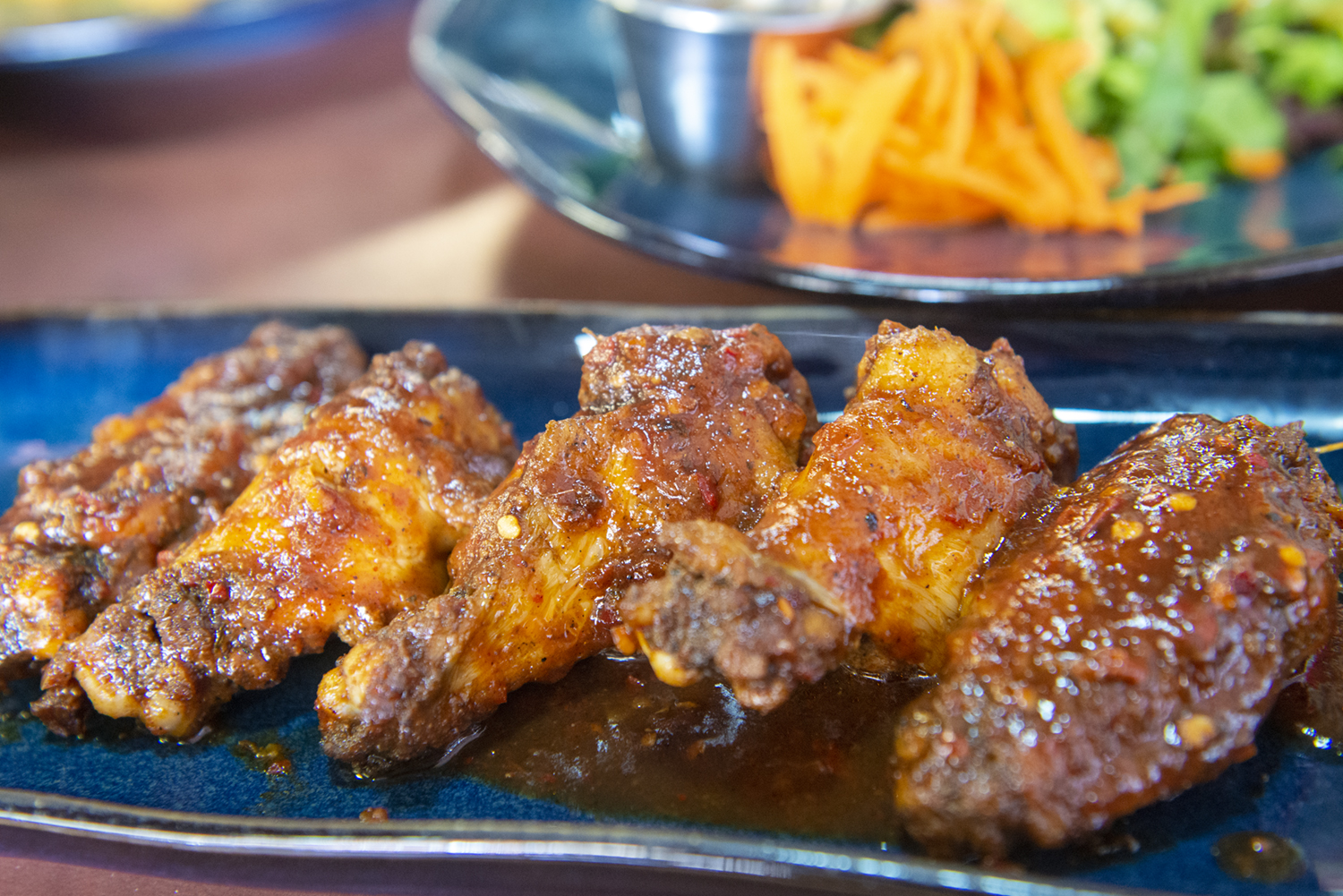
A 100-year celebration asks for food with memory, generosity, and staying power. It is not the moment for fussy plates that wilt under a heat lamp or tiny portions that leave elders unimpressed and children circling the kitchen. A centennial table should feel abundant. It should carry the kind of dishes that survive storytelling, second helpings, and a room full of opinions about whose aunt made it better.
That is why Caribbean cooking fits the occasion so well. Across the region, food is tied to migration, survival, ceremony, and pleasure. The best dishes are built for feeding many people without losing character. They hold up in chafing pans, on buffet lines, and in backyard gatherings where music is loud and someone always arrives with two extra cousins. For a caribbean food centennial celebration, the strongest menu is one that respects those roots while making smart choices about flow, timing, and variety.
A centennial event also needs range. One hundred years means several generations at once, often with different heat tolerance, different ideas of what counts as a proper feast, and different memories attached to the same ingredients. One guest wants pepper sauce on everything. Another is looking for the exact coconut note her grandmother used in rice and peas. A good host plans for all of them.
What makes a centennial menu work
The mistake I see most often at milestone celebrations is treating the menu like a restaurant special instead of a family event. Restaurant cooking prioritizes precision and speed per plate. Celebration cooking prioritizes rhythm. You need dishes that can be prepared ahead, held without collapsing, and refreshed easily. You also need contrasting textures and temperatures. If every pan on the buffet is rich, soft, and brown, even excellent food starts to blur together.
Caribbean food solves that problem naturally. Braised meats bring depth and comfort. Rice dishes absorb gravy and stretch the budget without feeling cheap. Fresh slaws, peppery pickles, and fruit-based condiments cut through the richness. Fried items add celebration, but only in strategic amounts, because few things decline faster than a fritter left too long on a steam table.
For a 100-year event, I usually think in layers rather than courses. There should be one signature protein that announces the occasion, one crowd-pleasing starch, one deeply seasoned rice or pea dish, one vegetable side with real personality, and a dessert spread that leans nostalgic rather than flashy. Drinks matter too, particularly something nonalcoholic that feels festive and familiar.
The center of the table: jerk pork or jerk chicken
If there is one dish that reliably creates a celebratory mood, it is jerk. Proper jerk is not just spicy meat. It is smoke, allspice, thyme, scallion, Scotch bonnet, and a dark sweetness from browning or sugar meeting char. For a centennial, jerk pork feels especially fitting because it carries feast-day energy. A whole shoulder or several bone-in cuts can feed a crowd and develop better flavor than neat little boneless pieces.
The key is balance. Too many event cooks overdo the heat and flatten everything else. Scotch bonnet should be present, but allspice should still be recognizable. Fresh thyme should smell alive. The marinade should cling rather than slide off. If you are cooking for a mixed crowd, hold some extra pepper sauce on the side and let the base seasoning stay aromatic instead of punishing.
Jerk chicken is often the more practical choice because it cooks faster and appeals to children more easily. Dark meat is the safer route for buffets. Thighs and leg quarters stay juicy longer than breasts, especially if the celebration runs for several hours. If grilling live on site, finish the chicken just shy of done, then rest it and return it briefly to heat before service. That small bit of restraint keeps the meat from drying out under event pressure.
At larger gatherings, I have seen hosts try to serve both jerk pork and jerk chicken plus fried fish plus curry goat. It sounds generous, but it can dilute the menu and create waste. Better to do one jerk dish extremely well and support it with sides that make it shine.
Curry goat, the dish that earns silence at the table
Every big celebration needs one dish that makes people stop talking for a moment. In many Caribbean households, that dish is curry goat. When it is right, the gravy is glossy and spiced without harshness, the meat is tender but not shredded to threads, and the aroma reaches the room before the tray does.
Curry goat is ideal for a centennial because it rewards patience. It can be cooked in stages, tastes better after resting, and scales well if the seasoning is disciplined. The challenge is sourcing and trimming. Goat varies widely depending on age and cut. If you can, buy from a butcher who understands the dish and can provide meaty shoulder, neck, or leg pieces with enough bone for flavor. Too much bony trim frustrates guests. Too much lean meat, surprisingly, can make the pot less expressive.
A strong curry goat starts with green seasoning, curry powder bloomed in oil, onion, garlic, thyme, and enough time. Some cooks add potato to stretch the pan and thicken the sauce. That can work, especially in home cooking, but for a centennial spread I prefer the gravy clean and the potatoes served elsewhere. It keeps the flavors focused and looks more elegant on the buffet.
One practical note matters here. Goat benefits from a holding period, but only if the pan is covered and the heat remains gentle. Aggressive steam-table heat can tighten the meat again. If you are catering or cooking for a hall, check the hot holding setup in advance. Good food gets blamed for bad equipment more often than it should.
Rice and peas is not a side dish afterthought
No matter how impressive the proteins are, the meal often rises or falls on the rice. Rice and peas is one of those dishes guests may not mention first, but they notice immediately when it is wrong. Mushy grains, weak coconut milk, undercooked peas, or too much clove can pull down the entire plate.
For a formal anniversary or caribbean food centennial event, rice and peas should be fragrant, separate, and deeply seasoned. Kidney beans are common in many kitchens, though some cooks use gungo peas when available. Coconut milk needs to taste like more than a carton poured in for color. Scallion, thyme, garlic, and Scotch bonnet should infuse the pot without turning it into stew. The rice should be fluffy enough to absorb gravy but still hold its own.
This dish also carries emotional weight. For many families, rice and peas means Sunday dinner, Christmas, and milestone gatherings. Serving it at a centennial quietly signals that this event belongs to the family line, not just the event planner. It says someone thought about continuity.
If the menu already features several heavy items, consider pairing rice and peas with a second starch that offers a different experience, such as fried plantain or cassava pone later at dessert. What you want to avoid is starch fatigue, where every pan on the table feels dense and soft.
A braise with soul: oxtail for depth and prestige
Oxtail has become expensive in many places, which is exactly why it still reads as special when it appears at a milestone celebration. The appeal is not just cost. It is the texture. Good oxtail gives you sticky, savory gravy and meat that clings to the bone until the slightest pressure lets go. It tastes ceremonial.
For a 100-year celebration, I like oxtail when the guest list is modest enough to support the budget, or when it appears as one featured pan rather than the main protein for everyone. If you try to feed a large crowd exclusively with oxtail, the numbers get uncomfortable quickly. A more sensible approach is to pair a tray of oxtail with a more scalable main dish such as jerk chicken or stewed fish.
The seasoning should lean dark and warm. Browning, onion, garlic, pimento berries, thyme, and a measured amount of ketchup or tomato can enrich the sauce without making it taste generic. Butter beans are classic, but add them late enough that they keep shape. Nothing looks more tired on a buffet than oxtail gravy with beans dissolving into beige mush.
Escovitch fish brings brightness and contrast
Not every centennial menu needs fish, but when the crowd includes older relatives and guests who want something lighter, escovitch fish earns its place. Its strength is contrast. You get crisp or fried fish under a sharp topping of vinegar, onion, carrot, and pepper. After several rich meat dishes, that acidity feels almost medicinal in the best way.
The challenge is logistics. Escovitch is at its best when the fish still has integrity and the pickled vegetables are lively. It can hold for a while, but it should not languish all afternoon. If fish is on the menu, serve it early or keep the batch size controlled. Smaller fish such as snapper work beautifully, though fillets are more practical for buffet service if bones are a concern.
This is also where regional identity shows up vividly. Some households prefer a harder fry. Others want a softer fish that absorbs more of the pickled dressing. At a centennial, either choice works if it is deliberate. What never works is indecision, where the fish is fried too far ahead and the vegetables lose their brightness.
Vegetable sides that do more than decorate the tray
A serious celebration meal needs vegetables, but they should taste like they belong there. Steamed broccoli in a foil pan has ended too many otherwise good buffets. Caribbean vegetable sides are at their best when they bring structure, bitterness, sweetness, or spice to counter the proteins.
Callaloo is one of the most valuable dishes on a centennial menu because it offers body without heaviness. Properly cooked, it is silky and deeply savory from onion, garlic, thyme, and sometimes coconut milk or okra depending on the style. It also accommodates different regional traditions. Trinidadian callaloo is not the same as Jamaican callaloo, and that difference is worth respecting rather than flattening.
Cabbage deserves more credit than it gets. A well-seasoned sautéed cabbage with carrot, bell pepper, black pepper, and thyme adds color and freshness and holds far better than many leafy greens. It also helps the plate feel balanced for guests who may not want heavy gravies on everything.
Fried ripe plantains bring sweetness that rounds out salty, smoky meats. They are especially useful when the menu includes jerk or curry. The trick is to fry them at the point where the edges caramelize but the centers do not collapse into oil. Plantains cooked too early lose that sheen and become sticky. At events, they are best produced in waves rather than all at once.
Patties and fritters for the social hour
Before the main meal, guests often need something handheld while photos run long or speeches drift. This is where patties, accra, or saltfish fritters earn their keep. They set the tone quickly. The room smells right, people have something warm to hold, and the celebration begins before anyone sits down.
Beef patties are the caribbean food centennial obvious classic, but chicken, vegetable, or saltfish versions can widen the appeal. The pastry should be flaky and sturdy enough not to disintegrate onto formal clothes. That sounds minor until you watch a guest in cream linen brush turmeric crumbs off their lap just before the family portrait.
Accra and fritters are more fragile but deeply satisfying. They work best in smaller batches with a clear plan for circulation. Passed trays beat buffet pans here. If the event is informal, paper-lined baskets can feel generous and relaxed. If it is a hotel ballroom, restrained portions with quick replenishment preserve quality.
Here is one area where discipline matters:
- Choose no more than two passed appetizers.
- Serve them for a limited window, about 30 to 45 minutes.
- Keep sizes small enough to avoid filling guests before the main meal.
- Pair fried bites with a bright dip or sauce, not another heavy starch.
That simple structure keeps the opening lively without stealing attention from the celebratory spread.
Desserts that feel like family, not performance
At a 100-year celebration, dessert should land emotionally. This is not the place for anonymous mousse cups or towering cakes with no flavor. Guests remember the sweets that taste like somebody in the family used to make them, even if this version comes from a baker.
Black cake is almost non-negotiable for many Caribbean milestone events. Dense, dark, fruit-rich, and often soaked over time, it carries seriousness and festivity at once. It also suits speeches and toasts because it slices neatly and can be plated in advance. If alcohol is a concern for some guests, have a non-alcoholic or less-soaked option available rather than forcing everyone into one version.
Rum cake is a slightly lighter alternative, though the best versions still have depth and moisture. Coconut drops, grater cake, and cassava pone bring texture and nostalgia. Sweet potato pudding, done well, can stop conversations. The top should have a darkened, almost candied edge, while the interior stays dense and fragrant with spice and coconut.
Fresh fruit should not be dismissed, especially in warm climates or crowded halls. A tray of pineapple, mango, watermelon, and grapes can rescue guests who loved the main meal but simply cannot face another rich bite. The best dessert tables know when to offer relief.
Drinks that belong on the table
Beverages often get treated as a budget afterthought, but at a centennial they are part of the memory. Sorrel is a natural fit for formal celebration. Its tartness and spice cut through rich food beautifully, and its deep red color looks festive on a table. Ginger beer brings brightness and heat. Mauby is beloved by some and divisive for others, which makes it better as an option than the primary drink for a mixed crowd.
Fresh juices work well if they taste authentic and are not overloaded with sugar. Pineapple ginger, soursop, and passion fruit are all strong choices depending on region and availability. Water matters too, more than hosts sometimes expect, especially if peppery food and dancing are involved.
If alcohol is being served, keep the cocktail program short and clear. Rum punch is excellent when made with restraint. Too much sweetness and not enough citrus will tire the palate by the second glass. A centennial event should feel warm and polished, not chaotic.
Building a menu with judgment, not excess
The strongest centennial menus are generous without being cluttered. Too many dishes create long buffet lines, muddled flavors, and waste. Guests do not need every iconic Caribbean recipe at once. They need a spread that feels coherent, celebratory, and well executed.
A dependable approach looks like this:
- One hero protein, such as jerk pork or curry goat.
- One secondary protein, such as escovitch fish or oxtail in a smaller quantity.
- Rice and peas as the anchor starch.
- Two vegetable sides with contrast, such as callaloo and cabbage.
- Two or three desserts led by black cake.
That combination gives range without overwhelming the kitchen. It also respects the reality of service. Every additional dish creates another point of failure, another pan to hold at temperature, another texture to preserve.
The small decisions guests always notice
People talk about signature dishes, but they remember details. They remember whether the gravy was ladled generously or guarded like a scarce resource. They notice if the pepper sauce was homemade or straight from a bottle. They appreciate when vegetarian guests get a real side dish rather than plain salad. They remember if the patties were hot, if the rice was fluffy, if the black cake tasted matured instead of rushed.
At one anniversary event I attended years ago, the menu was straightforward: jerk chicken, curry goat, rice and peas, cabbage, fried plantain, black cake, sorrel. Nothing trendy. Nothing theatrical. Yet people still mention that meal because everything was seasoned with confidence and served at the right moment. The curry goat was tender, the plantains came out in waves, and someone had the sense to keep extra sorrel cold instead of letting it go flat on the table. That is what good event cooking is. Not novelty, but judgment.
For a caribbean food centennial celebration, that principle matters even more. One hundred years deserves food that honors the past without becoming trapped in it. The table can be traditional and still be thoughtful. It can be festive and still practical. It can feed the room and tell a story at the same time.
When the menu is built with that kind of care, the meal becomes more than catering. It becomes part of the family archive, one more chapter passed around on warm plates.
Reggae Pot Jamaican Grill
Address: 7562 S University Blvd Unit C, Centennial, CO 80122
Phone: (303) 997-5623
FAQ About caribbean food centennial
What Jamaican dishes can I try in Centennial?
Reggae Pot Jamaican Grill serves Jamaican specialties such as jerk chicken, stewed oxtail, curry goat, and ackee and saltfish. Check the current menu for availability.
What is ackee and saltfish?
It is Jamaica’s national dish. The restaurant prepares ackee with salted cod, onions, thyme, tomatoes, garlic, black pepper, and pimento.
Can I order Jamaican food for pickup in Centennial?
Yes. Choose the Centennial location at 7562 S University Blvd Unit C when placing a takeout order.